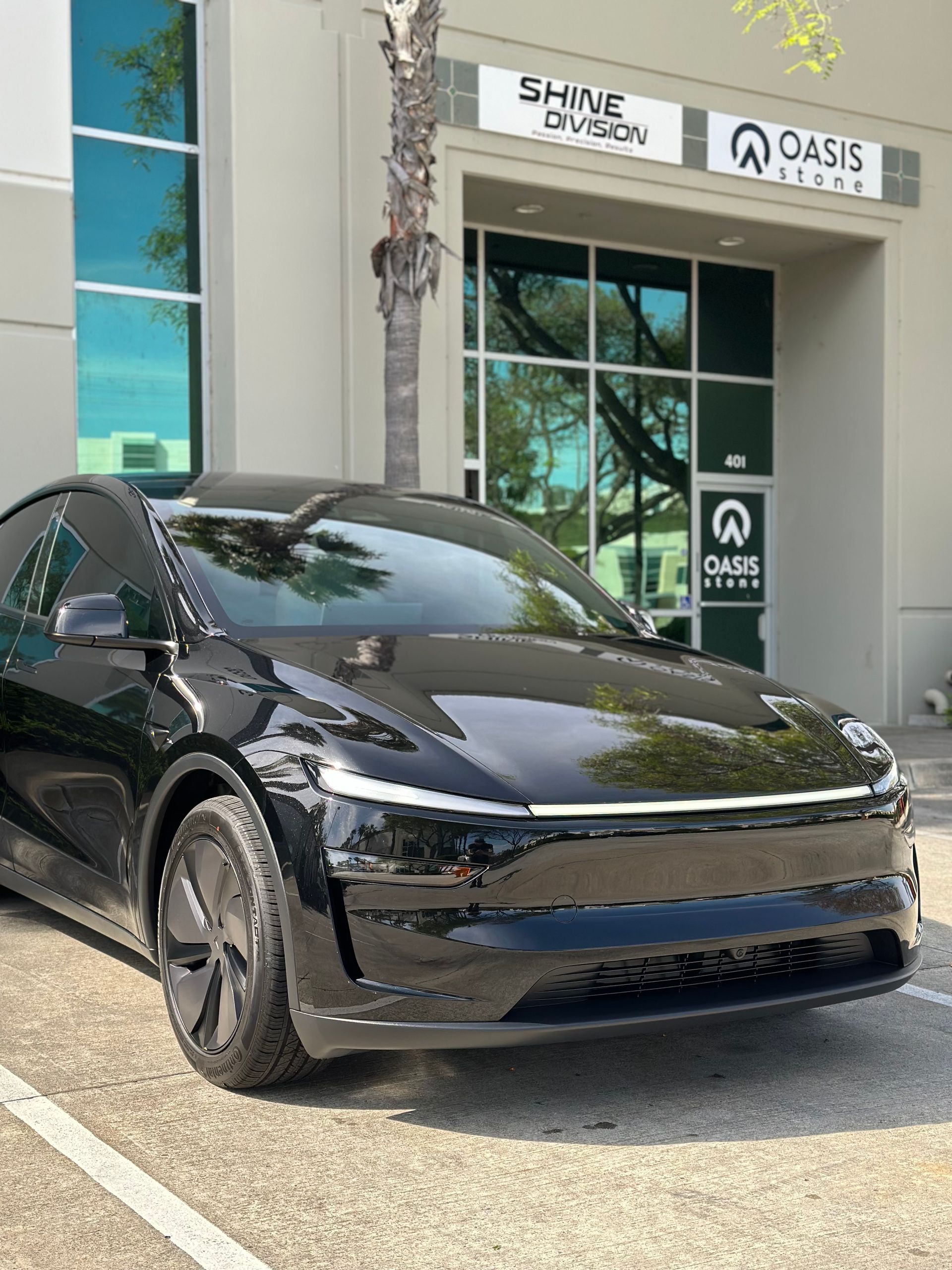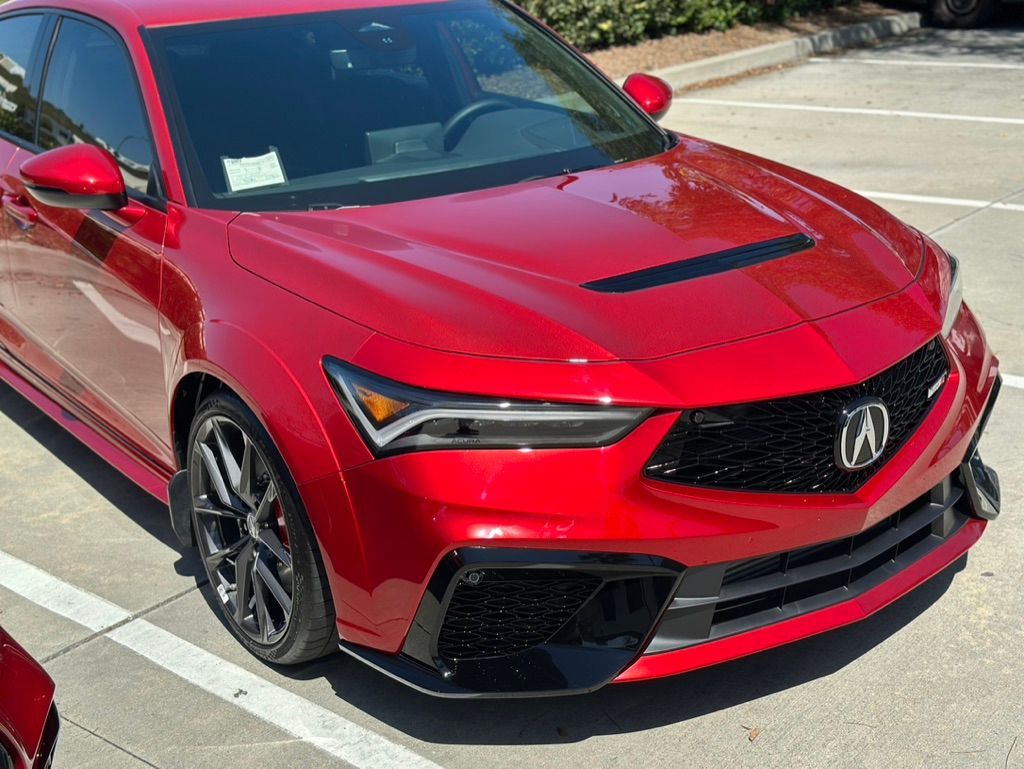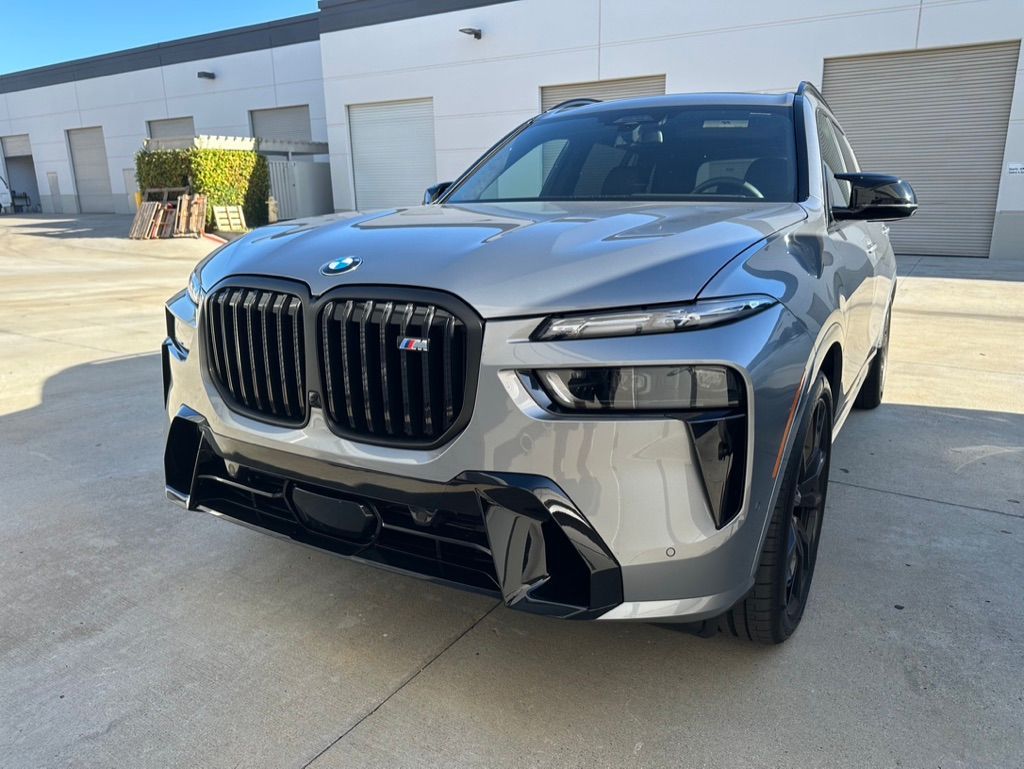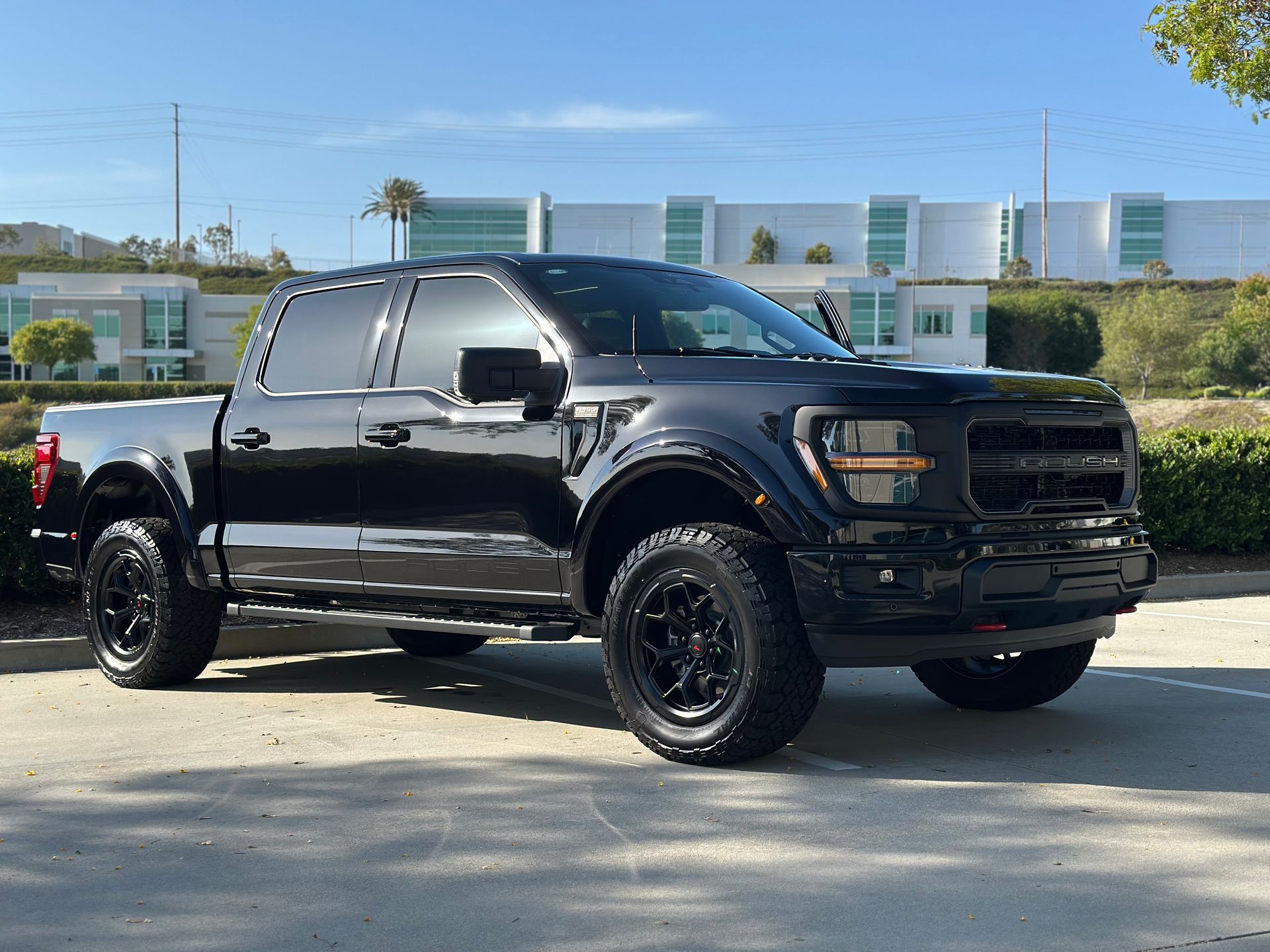
What Happens to Your Car's Paint If You Skip PPF on a New Vehicle?
This is a subtitle for your new post
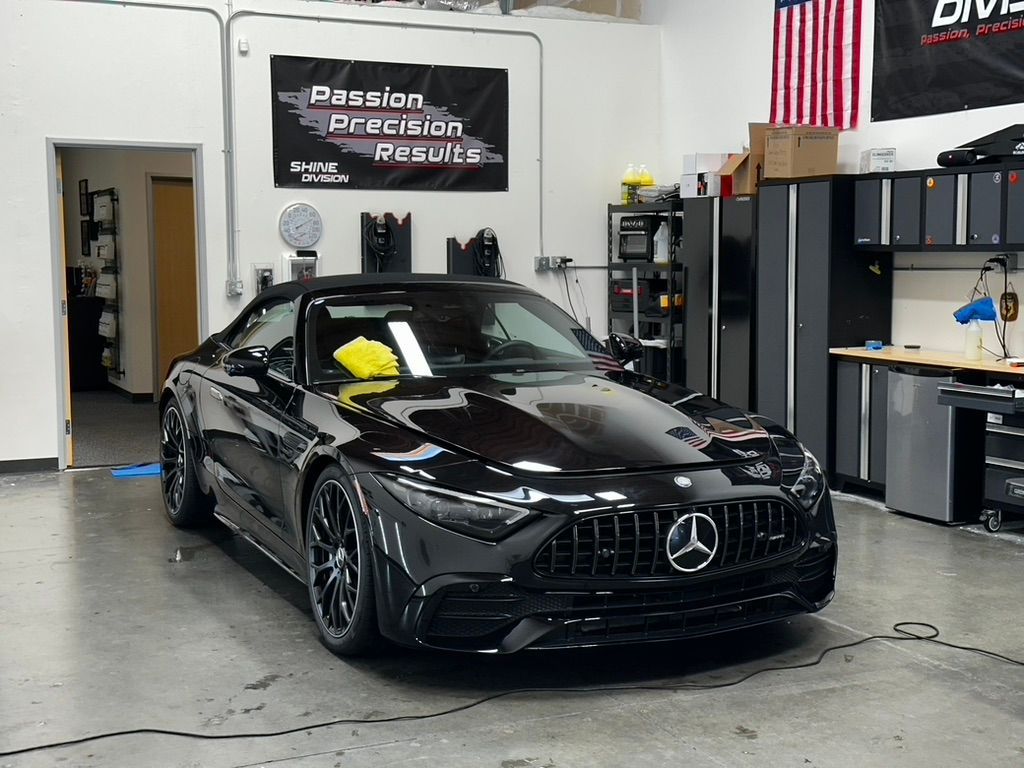
You just drove home in a new car. The paint is perfect. And you're already thinking about how to keep it that way. But if you're only considering ceramic coating and skipping paint protection film, there's a good chance you'll regret that decision within the first year.
Here's what actually happens to unprotected paint — and what we recommend at Shine Division Detailing in Oceanside.
PPF and Ceramic Coating Are Not the Same Thing
This is where most new car owners get tripped up. Paint protection film (PPF) and ceramic coating are both legitimate, valuable services — but they protect against completely different types of damage. Treating them as interchangeable is one of the most expensive misconceptions in car care.
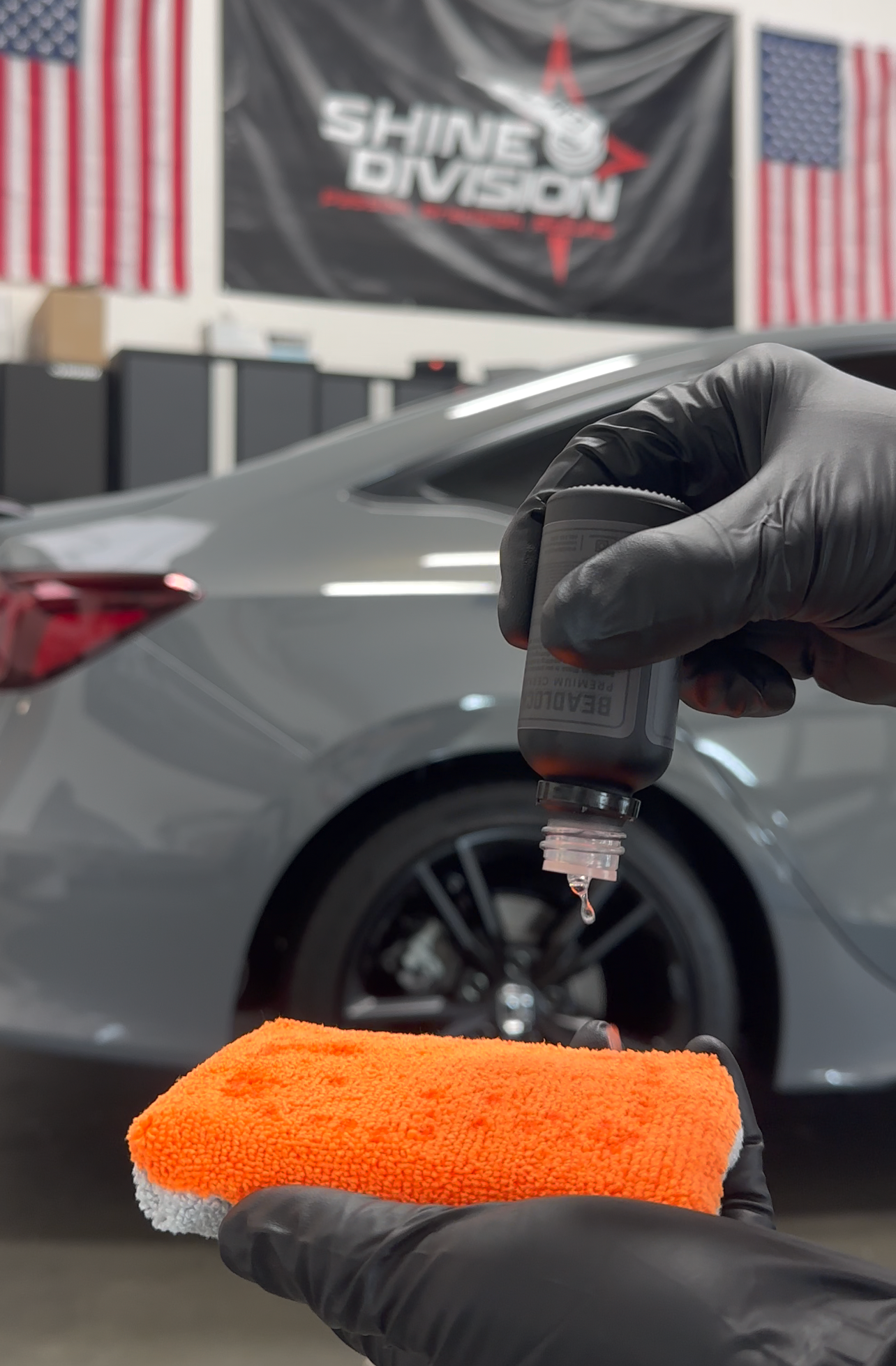
Ceramic coating is a liquid polymer that chemically bonds to your clear coat. It creates a hydrophobic surface that repels water, contaminants, and UV damage. It makes your car easier to wash, keeps it glossier longer, and adds a meaningful layer of environmental protection. What it cannot do is absorb physical impact. A rock chip, a door ding, a piece of road debris at highway speed — ceramic coating offers no meaningful resistance to any of these.
Paint protection film is a thick, flexible urethane barrier that physically absorbs impacts. On self-healing variants, minor scratches disappear with heat exposure. It's the only product that actually stops rock chips from happening.
The right approach for most new vehicles isn't choosing one over the other — it's using each product where it does its best work.
Where New Car Paint Gets Damaged — and Why It's Predictable
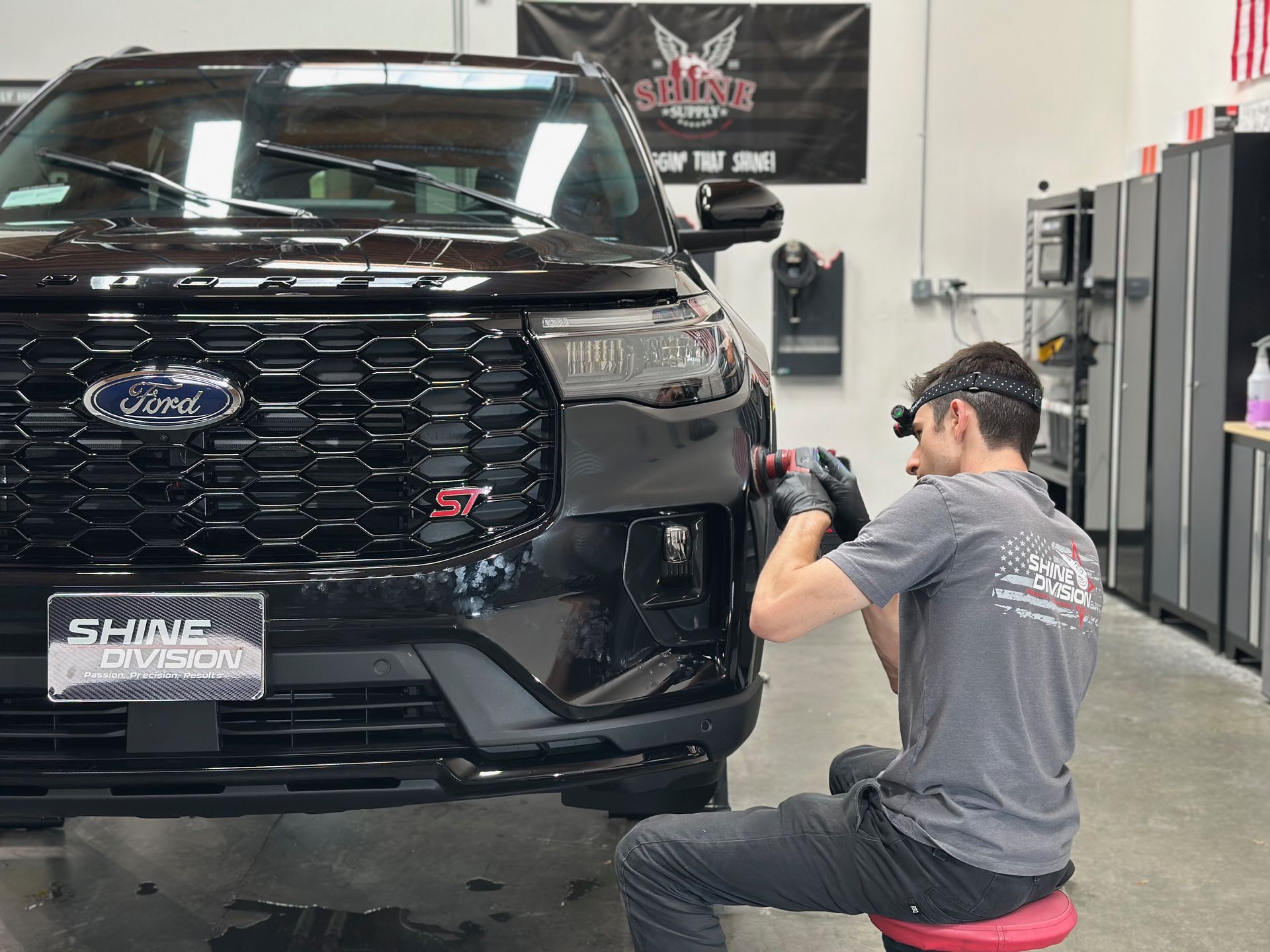
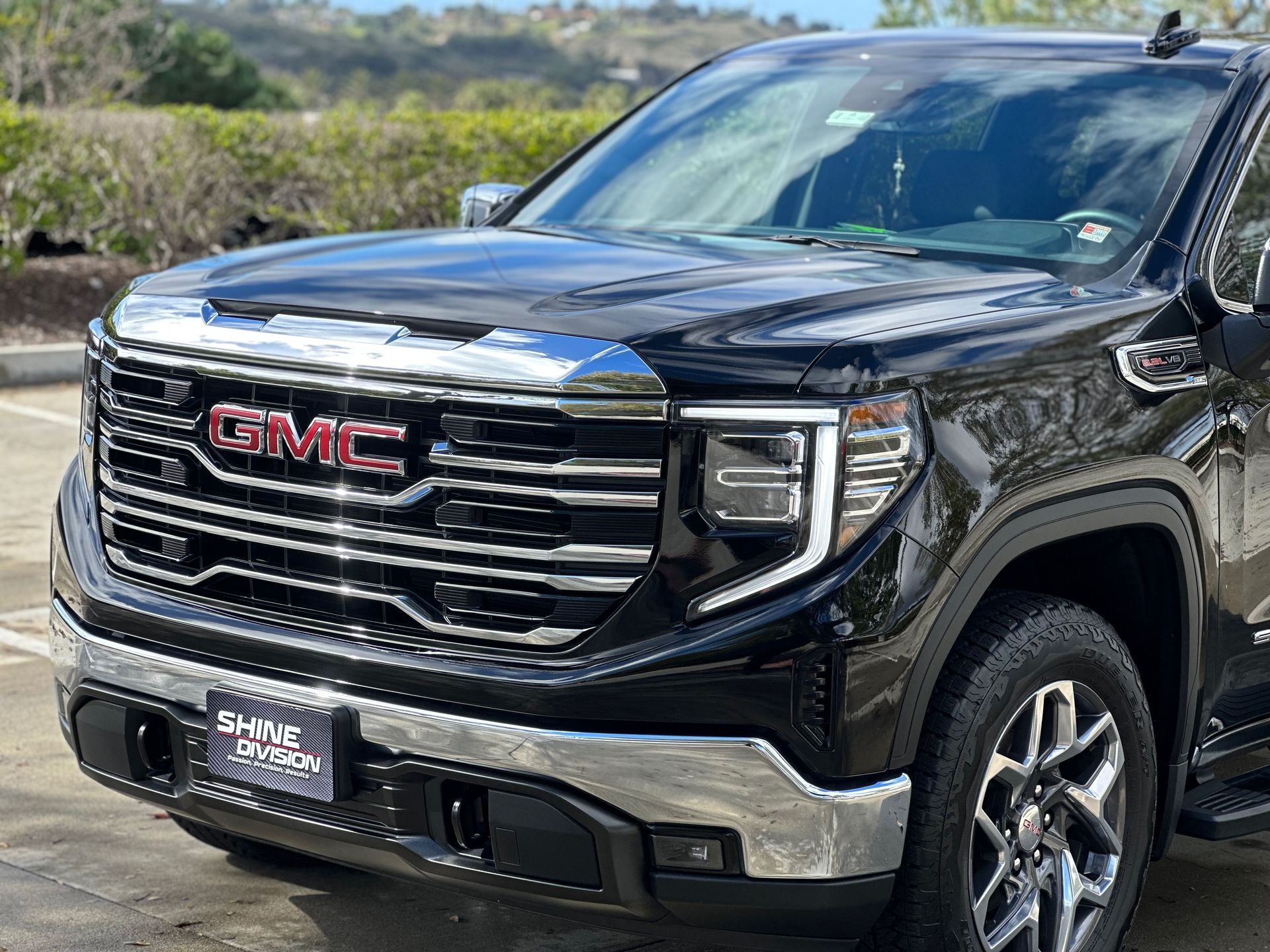
Front bumper. This is the highest-priority area on any vehicle. Driving the 78 through San Marcos, commuting on the 5 through Carlsbad and Oceanside, or even surface streets in Vista — your front bumper is constantly absorbing debris at speed. Without PPF, rock chips on the front bumper are essentially inevitable within the first two years.
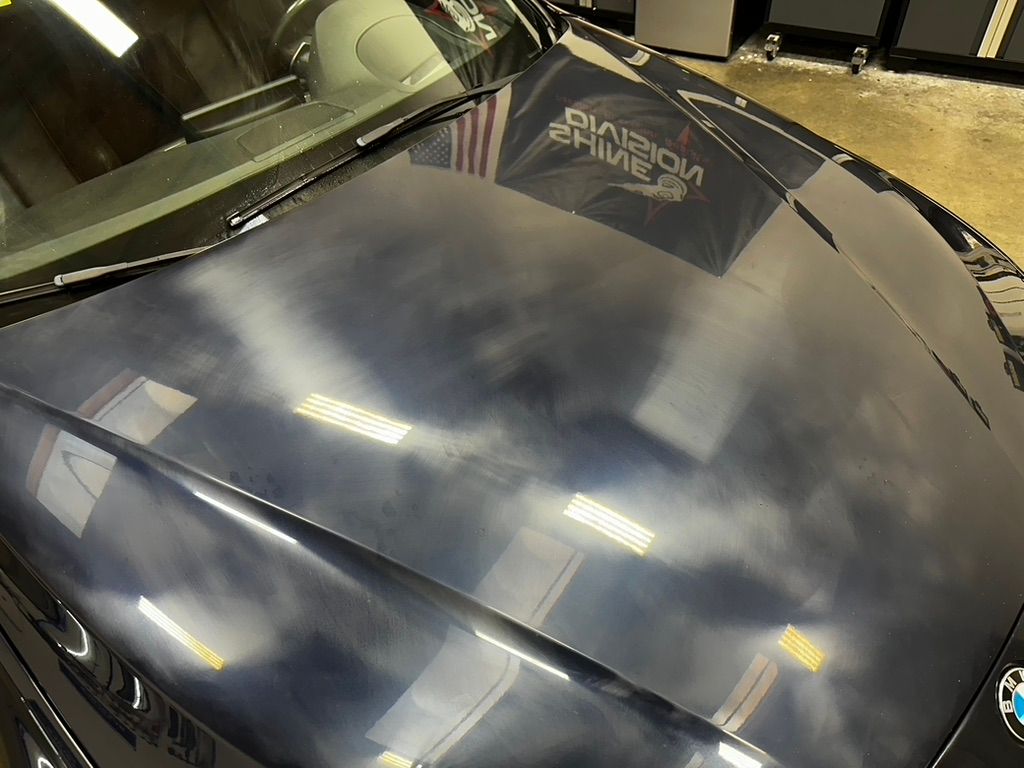
Hood: Rocks kicked up by vehicles ahead of you hit the front of the hood repeatedly. Unprotected hoods develop heavy pitting and chipping on the hood in areas where everyone sees first.
Front fenders: Are common, but really depends on the vehicle design. In some cases this is not a very vulnerable area. Where it can become valuable is on the lower fender where the front wheels kick rocks up onto the car.
Side mirrors. A high-chip zone that most people overlook until the damage is already there.
What Two Years of Unprotected Paint Actually Looks Like
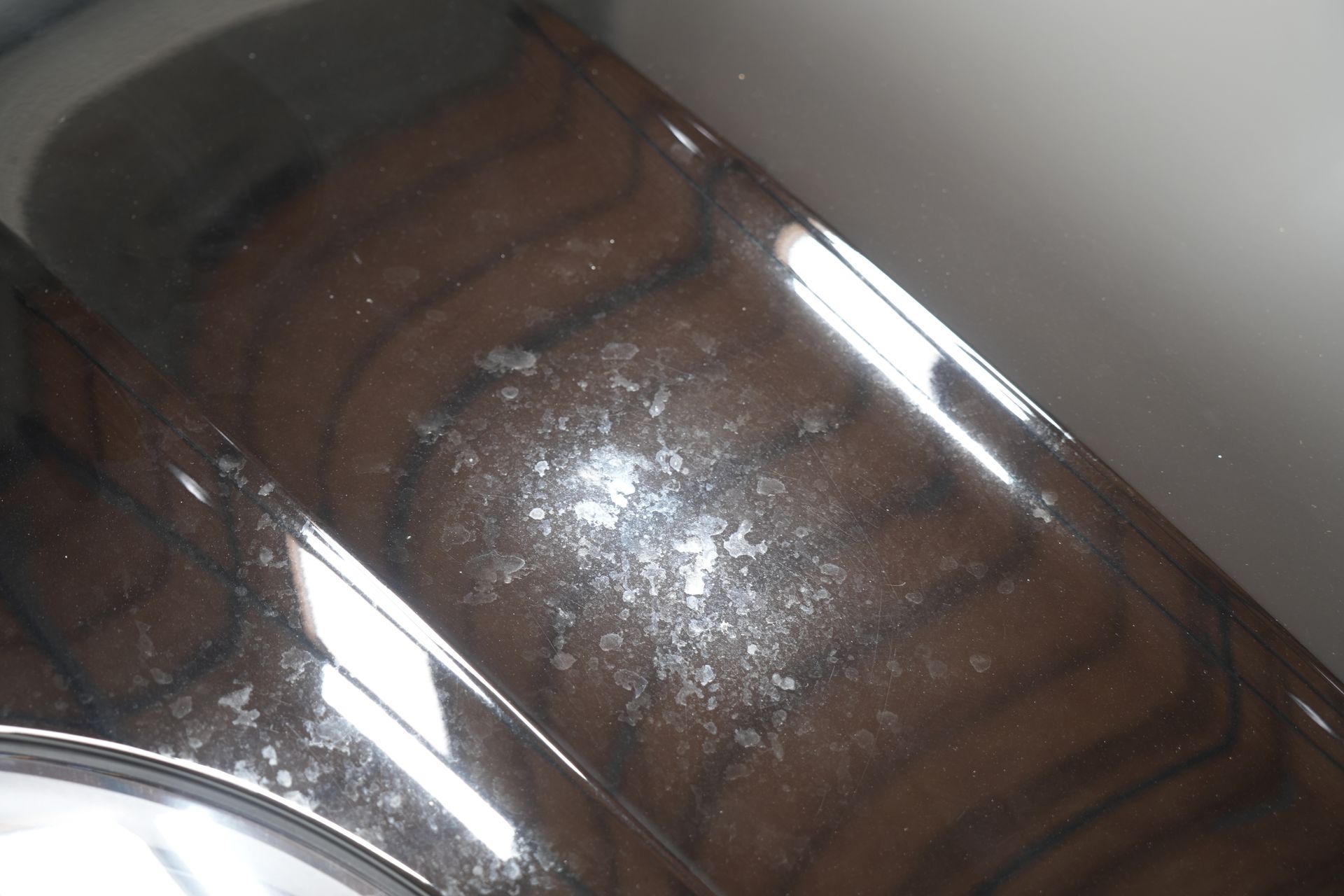
We see this regularly at Shine Division. A customer comes in with a two or three year old vehicle — well maintained, garage kept, maybe even ceramic coated when it was new. The coating is doing its job. But the front bumper has rock chips through to primer. The hood leading edge looks like it absorbed a handful of gravel on the I-15. The fenders are pitted along the lower edge.
The ceramic coating protected the paint from environmental contamination. It just couldn't do anything about the physical impacts that PPF would have absorbed
At that point the options are paint touch-up, spot respray, or living with it. None of those outcomes are as good as paint that was never damaged in the first place.
Is PPF Worth It on a New Car?
For most new vehicles — yes, on the high-impact zones at minimum.
A front-end PPF package covering the bumper, hood, fenders, and mirrors costs a fraction of what a single panel respray costs. And a respray, even a good one, is never quite factory paint. The color match is never perfect. The texture is slightly different. The vehicle's value takes a hit on Carfax.
PPF prevents all of that by absorbing the damage before it ever reaches your paint.
What We Recommend at Shine Division Detailing in Oceanside
Our approach for new vehicles is straightforward: PPF on the high-impact zones, ceramic coating over the rest.
The areas that take physical abuse — front bumper, hood, fenders, mirrors, Lower Rockers and Splash Guards — get paint protection film. A quality urethane film handles rock chips, resists scratches, and self-heals light marring with heat of the sun.
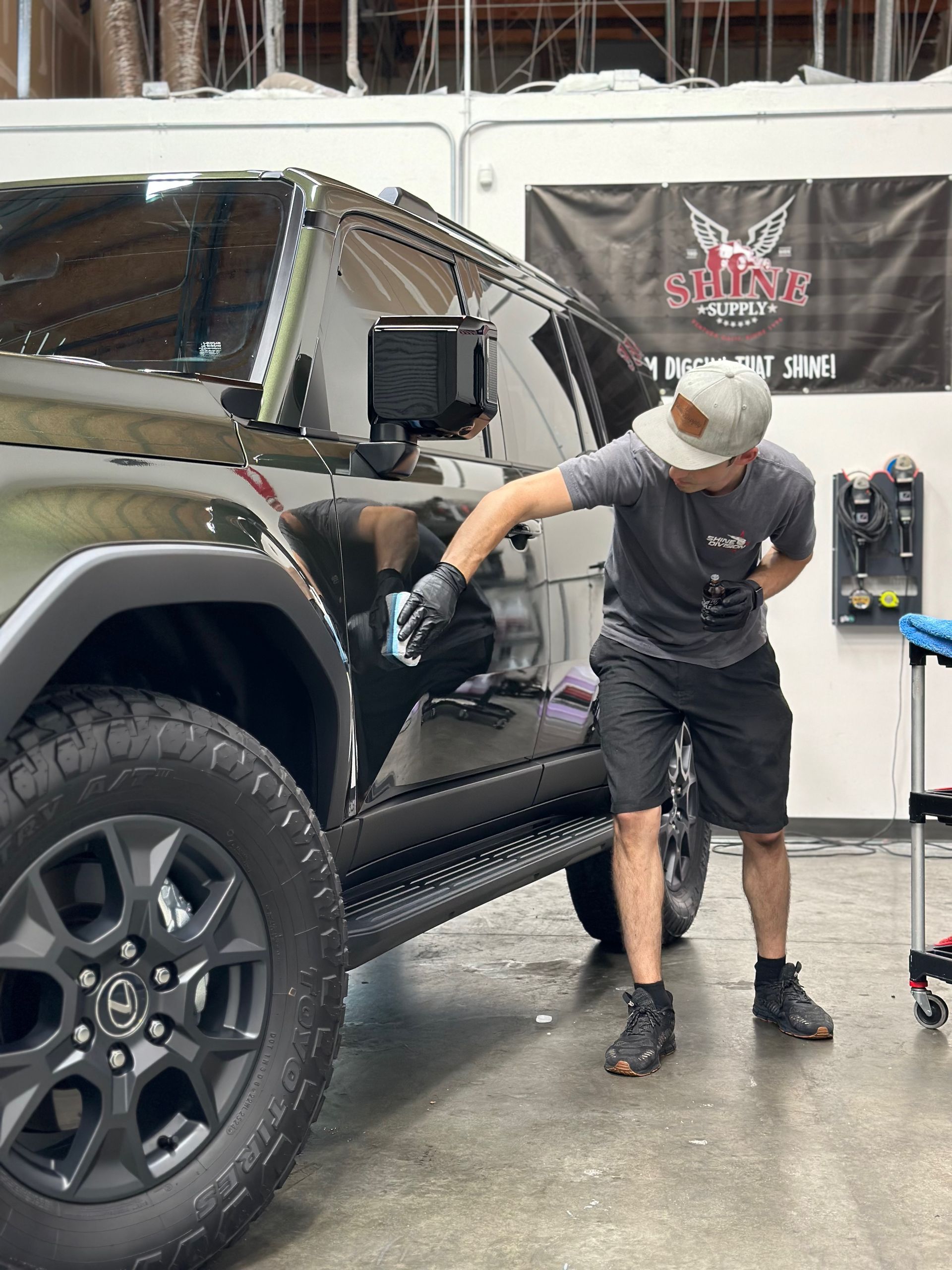
The rest of the vehicle gets ceramic coating. That covers the doors, roof, rear bumper, and glass — protecting against UV, environmental contamination, water spots, and making maintenance dramatically easier across the entire car. Full Coverage PPF is an option!
Each product does the job it was designed for. Nothing is redundant, nothing is overkill, and the vehicle ends up comprehensively protected at a price point that makes sense.
Contact Us